
Reducing food waste at home is a smart way to save money, make the most of your groceries, and contribute positively to the environment. Each year, millions of tons of food end up in landfills, where they release harmful greenhouse gases. Fortunately, small changes in how we shop, store, and use food can make a big difference.
In this post, you’ll find simple, practical steps to cut food waste and create a more sustainable kitchen. Let’s explore ways to make the most of your meals and reduce leftovers going to waste.
Understanding Food Waste at Home
Food waste occurs throughout the food cycle, but a significant portion happens right in our kitchens. Common causes include buying too much, improper storage, cooking too much, and confusion about expiration dates.
Before diving into tips, it’s helpful to recognize these common triggers. Awareness is the first step toward mindful habits that prevent waste.
Plan Your Meals and Shopping
Make a Weekly Meal Plan
Planning your meals ahead helps you buy only what you need. Write down what you intend to cook, including portion sizes. This reduces impulse buys and forgotten items that spoil.
Shop with a List
Bring a shopping list based on your meal plan to the store. Stick to it to avoid over-purchasing. Review pantry and fridge supplies before shopping to prevent duplicates.
Buy Smart Quantities
Choose fresh produce and ingredients in quantities you can realistically use. If you shop at bulk stores, be cautious about buying large amounts of perishable items unless you can preserve or use them quickly.
Store Food Properly
Keep Your Fridge Organized
An organized fridge helps you see what you have, reducing forgotten food. Use clear containers to store leftovers and label them with dates.
Use Proper Storage Techniques
– Fruits and Vegetables: Store them in designated drawers or containers to extend freshness.
– Bread: Freeze bread to keep it fresh longer if you won’t consume it quickly.
– Herbs: Wrap fresh herbs in a damp paper towel and place them in a plastic bag in the fridge.
Understand Expiry Dates
“Best before” dates indicate quality, not safety. Use your senses—look, smell, and taste—to judge if food is still good, helping reduce unnecessary disposal.
Use Leftovers Creatively
Repurpose Leftovers
Get creative with meals using leftovers. For example:
– Turn roast vegetables into soups or frittatas.
– Use stale bread for croutons or breadcrumbs.
– Make smoothies with overripe fruits.
Portion Control When Cooking
Cook only what you need to avoid extra leftovers that may go uneaten. If you want to have meals ready later, freeze portions immediately.
Compost Food Scraps
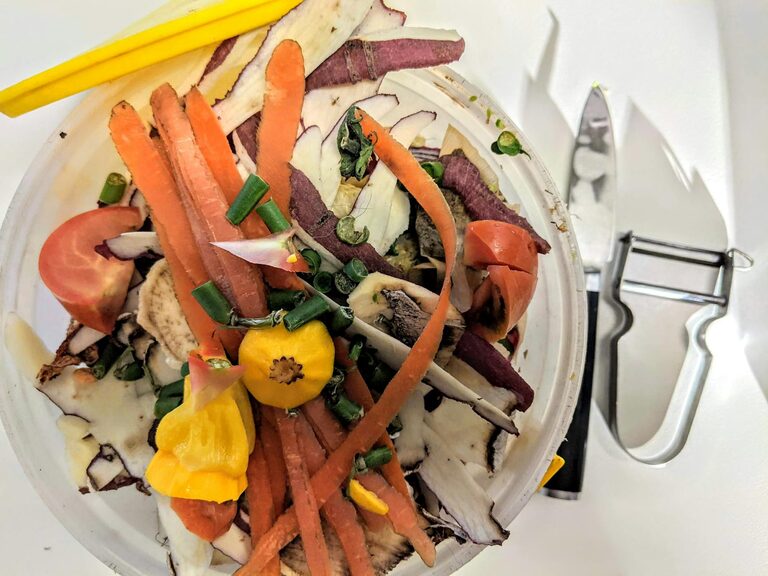
Even with all efforts, some food waste is unavoidable. Composting vegetable peelings, coffee grounds, and eggshells allows organic matter to break down naturally, reducing landfill waste and enriching your garden soil.
Additional Tips to Cut Food Waste
– First In, First Out (FIFO): Place new groceries behind older items so you use older products first.
– Preserve Excess Food: Freeze leftover sauces, soups, or herbs to use later.
– Share with Others: If you have surplus food nearing its expiration, share with neighbors or friends.
Conclusion
Reducing food waste at home is an achievable goal with simple planning, smart storage, and creative cooking. By adopting these habits, you save money, reduce environmental impact, and enjoy food more mindfully.
Start with one or two changes and build your way up. Small steps add up to significant results over time. Let’s make less waste and more taste part of your everyday kitchen routine!