
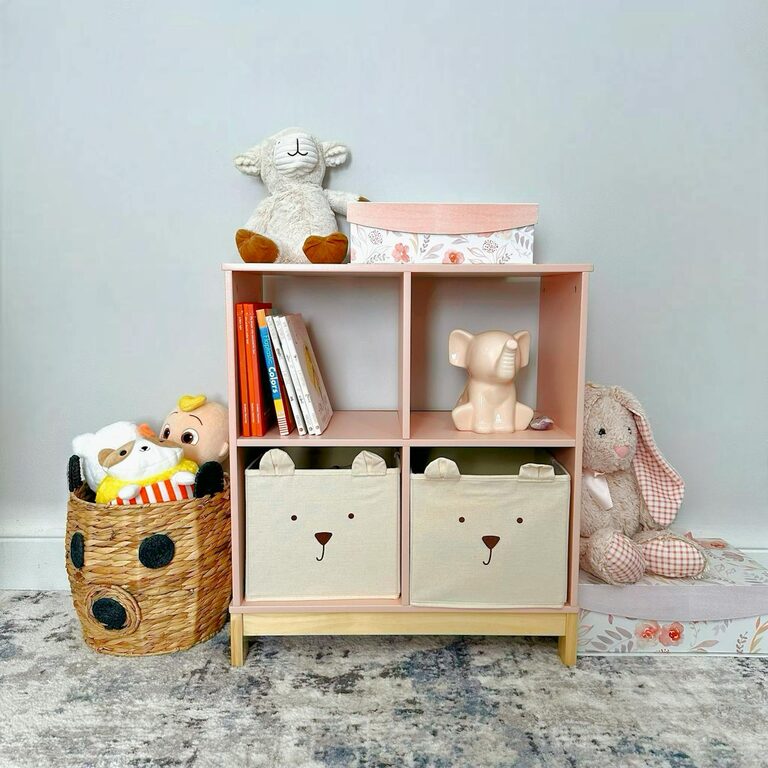
Every parent knows how quickly kids’ artwork can multiply—from colorful drawings to imaginative crafts. While these creations are precious, they can also lead to clutter and frustration when piles start to take over your living space. Fortunately, organizing your children’s art doesn’t have to be overwhelming. With a few practical tips and creative ideas, you can keep these masterpieces both safe and accessible without sacrificing your home’s tidiness. Here are some friendly, easy strategies to help you manage your kids’ art like a pro.
Create a Dedicated Art Space
Having a designated area for art projects not only encourages creativity but helps contain the mess.
– Set up an art station: Use a corner of a room, a small table, or even a rolling cart stocked with supplies and space to display recent works.
– Use wall space: Install a bulletin board, wire with clips, or magnetic strips where kids can pin up their latest creations.
– Storage bins: Keep art paper, markers, scissors, and glue in clearly labeled bins or drawers inside the art space.
By centralizing supplies and artwork, your child’s creations won’t get lost around the house, and cleanup becomes quicker.
Sort and Select Regularly
It can feel impossible to keep every piece of art your child creates, but regular review helps decide what to keep.
– Schedule art reviews: Once a month, go through the art collection with your child to pick favorites.
– Keep special pieces: Select those with sentimental value, milestones, or particularly creative work.
– Recycle or gift others: Encourage your child to give artwork to family members or use it as wrapping paper for presents.
This process teaches your child to cherish their work while keeping clutter under control.
Use Portfolios and Binders
Portfolios and binders are excellent tools for keeping flat artwork organized and protected.
– Choose artists’ portfolios: These large, sturdy folders can hold many pieces and slide under a bed or stand in a closet.
– Try binder sleeves: For smaller or standard-sized art, clear plastic sleeves in a binder make flipping through artwork easy and fun.
– Label by date or theme: Organizing by age, school grade, or art type makes it simple to find specific pieces later on.
These solutions also help kids take pride in their finished works and encourage them to keep creating.
Digital Archiving for Long-Term Storage
If physical space is limited, digital archiving is a wonderful way to preserve artwork forever.
– Take photos or scan artwork: Capture high-quality images of each piece using a smartphone or scanner.
– Create digital albums: Use photo apps or cloud storage to organize pictures by date or child.
– Make photo books or gifts: Turn digital images into printed photo books, calendars, or personalized gifts.
This approach lets you keep memories without piles of paper, and it’s easy to share with relatives or friends online.
Displaying Their Art Creatively
Showcasing your children’s artwork lets them feel proud and keeps art from piling up unseen.
– Rotating gallery wall: Dedicate a wall where you can rotate artwork weekly or monthly using frames, clips, or washi tape.
– Art wire or string display: Hang a wire or string across a room and attach art with clothespins for an easy-to-update display.
– Use functional decor: Transform art into placemats, bookmarks, or fridge magnets.
Changing displays regularly refreshes your home’s look and highlights your child’s progress.
Repurpose and Upcycle Art Projects
Some art pieces can be transformed into useful items to reduce clutter while keeping creativity alive.
– Make greeting cards: Cut artwork into cards for birthdays and holidays.
– Create wrapping paper: Use larger drawings and paintings to wrap gifts.
– Craft new items: Incorporate craft pieces into scrapbooks, collages, or decorations.
Repurposing turns artwork into practical items and teaches resourcefulness.
Establish a Routine for Art Organization
Consistency is key when managing lots of creations from enthusiastic little artists.
– Keep art supplies organized: Teach kids to put away materials after use.
– Set aside time weekly: Pick a regular day to organize, review, and display new art.
– Involve your children: Encourage them to participate, making organization a fun family habit.
Building these habits early helps children value their art and the care it deserves.
—
Organizing kids’ art is about balancing preservation with practicality. By dedicating space, sorting with care, using smart storage solutions, and celebrating creativity, you can maintain a clutter-free home that honors your child’s artistic journey. Remember, the goal isn’t perfection—it’s to cherish memories and inspire ongoing creativity together. Happy organizing!